
 Facebook
 X
X
 Pinterest
 Copy Link
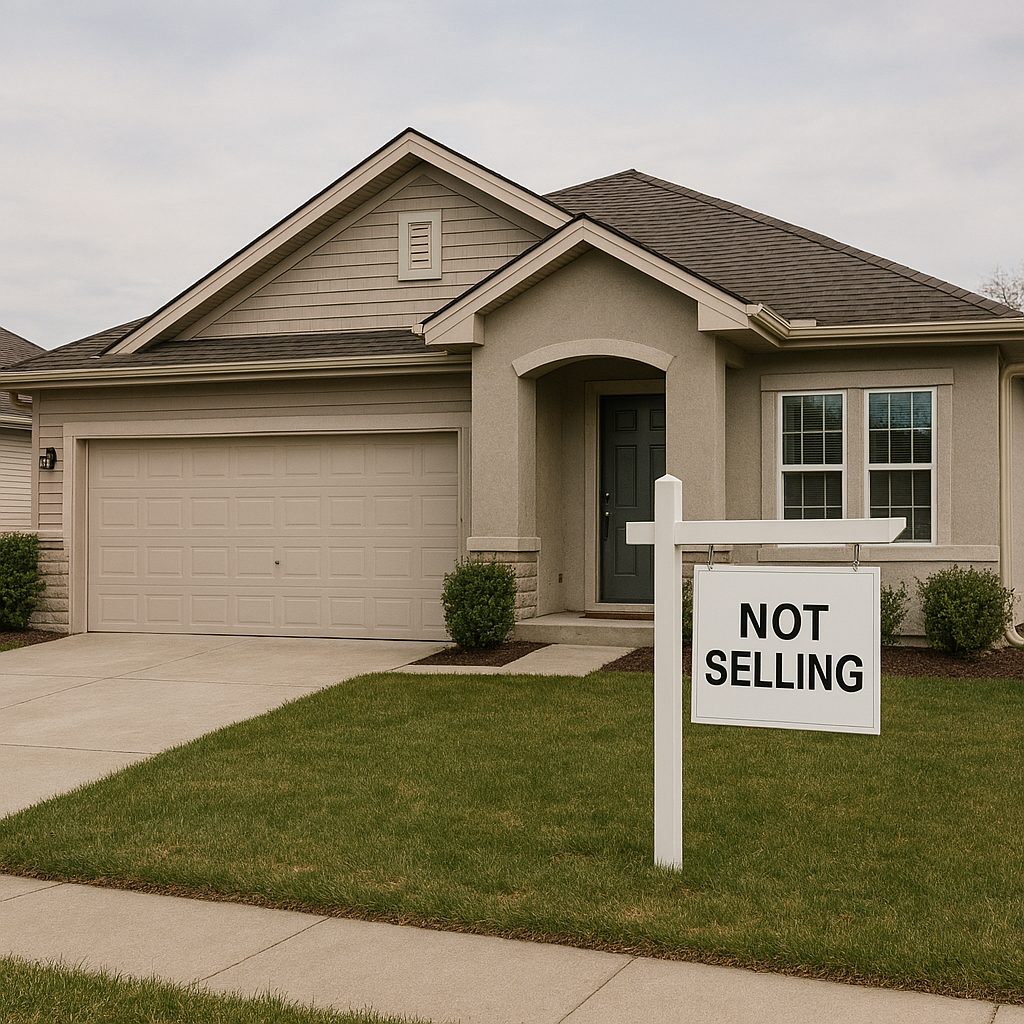
In a real estate downturn, selling a house can feel harder than usual, but there are clear reasons why homes sit on the market. Understanding these reasons makes it easier to fix the problem and get a home sold.
Here are the top five, in my opinion:
1. The Price Is Too High
In a downturn, buyers are careful with money. If a house is priced higher than similar homes nearby, buyers may skip it without even looking.
What to do instead: Adjust the price to better reflect what buyers are paying for similar homes in your area. A well‑priced home attracts stronger interest from buyers early on. You can also offer buyer incentives, such as help with closing costs or other concessions, to make the numbers work better for buyers. Pricing realistically from the start often leads to more attention and a faster sale.
2. The House Needs Repairs
Buyers often don’t want extra work, especially when money feels tight. Broken items, dated paint, worn carpet, or neglected yards can quickly turn them away.
What to do instead: Fix small problems, refresh dated paint, replace or clean worn carpet, eliminate lingering and unwelcoming odors (e.g., pets, smoke, cooking smells), and tidy up. Simple updates, decluttering and a deep cleaning can make a big difference.
3. Poor First Impression
If a home doesn’t look appealing online or from the street, many buyers will pass it by without ever stepping inside. First impressions happen fast, and they strongly influence whether a buyer wants to see more.
What to do instead: Focus on curb appeal by mowing the lawn, trimming bushes, cleaning up walkways, and making the entry look welcoming. A well‑maintained appearance encourages buyers to schedule a showing and reassures them they won’t need to take on expensive landscaping projects right away.
4. Weak Marketing
If buyers aren’t seeing your home or don’t understand what makes it stand out, it can easily be overlooked.
What to do instead: Work closely with your realtor to ensure your home is marketed effectively with professional photos, video tours, clear descriptions, and strong online exposure. By highlighting your home’s best features and what makes it unique, you help buyers quickly see its value and imagine themselves living there.
5. Fewer Buyers in the Market
During a downturn, fewer people are buying homes because of job worries or higher interest rates.
What to do instead: Be flexible to attract more buyers. Allow showings at different times to make it easier for people to see the home. Consider rent‑to‑own options, which let a buyer rent the home now with the option to purchase it later. You can also work with buyers on terms by offering help with closing costs, adjusting timelines, or providing an interest rate buy‑down to lower their monthly payment. These options can open the door to more qualified buyers and increase interest in your home.
Let’s get your home sold!
Even in a tough market, homes do sell, especially when sellers are flexible and are willing to adapt to current market trends. By pricing realistically, making smart improvements, and staying flexible with buyers, you put yourself ahead of the competition and greatly increase your chances of a successful sale.
When buyers are pickier and days on market are longer, simply listing the property in the Multiple Listing Service hoping to get buyers is not the right strategy, it’s passive selling. The sellers who win in this market are the ones who launch with the right price, the right presentation, and a clear plan from day one.
Selling a home doesn’t have to feel overwhelming, even in a slower market. If you want a data-backed pricing range, a simple prep list with the highest return, and a marketing timeline built to create urgency, I’d love to be your listing agent and guide you from prep to closing.


